
Forklift Safety Parts
Browse our selection of quality forklift safety parts for your forklift and material handling equipment.
Forklift safety parts help make operators and nearby pedestrians more visible and protected during daily operation. Select warning devices, restraints, mirrors, and lighting by the equipment configuration and the conditions in the work area.
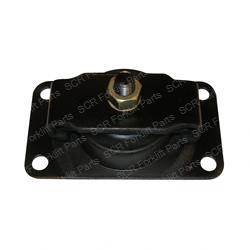
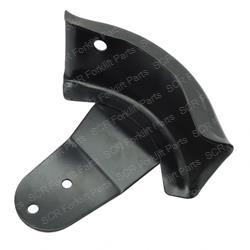
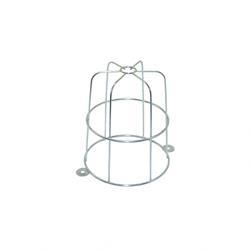
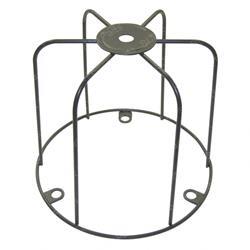
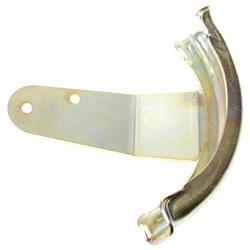
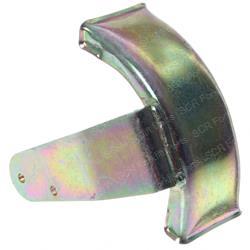
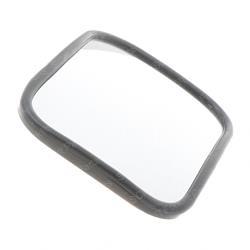
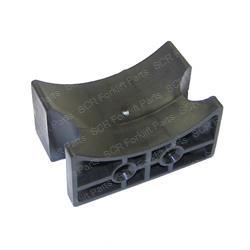
Need a Part You Don't See?
Our specialists have access to over 1 million additional parts. Request a quote today.
Forklift Safety Parts & Accessories
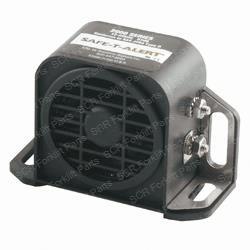
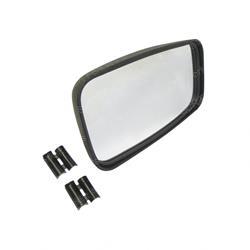
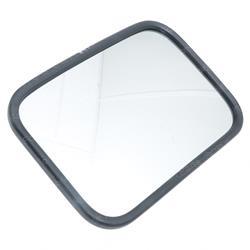
Keeping your operators and warehouse safe starts with the right parts. SCR Forklift Parts stocks a full range of forklift safety equipment: LED strobe beacons and blue spot lights that warn pedestrians, backup alarms, seat belts, overhead guard components, and rearview mirrors. Whether you are meeting OSHA requirements or replacing worn safety gear across a fleet, we carry parts for Toyota, Hyster, CAT, Yale, Crown, and every major brand. Not sure which light or alarm fits your lift? Call (562) 693-7748 for fitment help, or browse the safety parts above. Ships same-day from Whittier, CA on in-stock items.
A missing warning light, damaged restraint, or failed alarm can leave a truck out of service when an operator needs clear protection. Forklift safety parts help maintenance teams address operator protection and visibility issues with evidence from the truck in front of them. Start with the make, model, serial information, and the exact safety function that needs attention. A visual match is useful, but the mounting points, wiring, switch position, and surrounding hardware decide whether a candidate deserves closer review.
Browse over 33,000 safety parts across Toyota, Raymond, CAT, Mitsubishi, Crown and more, with options starting under $5.
Overhead guards, seat belts, mirrors, lights, alarms, and related switches each protect a different part of the working environment. A cracked guard component calls for a structural inspection, while a light or alarm problem calls for checking the bulb or unit, wiring, connectors, grounds, and control switch. Note what changed, when it changed, and whether the fault follows vibration, steering, lifting, or reversing. That symptom detail helps separate a failed component from a loose connection or damaged mount.
For restraint and operator-presence equipment, compare the belt hardware, buckle location, mounting pattern, seat switch, and cable routing with the truck. For lights and alarms, document the connector shape, lens or housing layout, mounting hole spacing, and whether the circuit is constant or switched. Do not bypass a safety device to make the truck run. Follow the equipment service procedure and keep an unsafe truck out of operation until the cause is understood.
Use the product grid to narrow the category, then compare listing details with your measurements and photos. If a part has no clear marking, the truck has been modified, or the fault involves more than one safety function, gather the full equipment details before asking for fitment help. A short inspection note gives a parts specialist something concrete to evaluate and helps the next mechanic understand what was changed.
Before returning a truck to work, test the repaired safety function in the way the equipment procedure describes and inspect the nearby hardware again. Check that a belt latches, a light points correctly, an alarm responds as expected, and a guard or mirror is secure. Document the final observation for the next shift. If the fault is still unclear, pause the selection and request a quote with the remaining evidence.
Browse the collection, compare the evidence, and request a quote when the correct match needs human review.
Buying guide for safety parts
- Separate the function: overhead guard, restraint, light, alarm, mirror, switch, or mounting hardware.
- Check the truck identity and the safety circuit or physical mounting area before choosing a candidate.
- For electrical items, compare connector, wire routing, switch behavior, and ground points.
- For restraints and guards, inspect adjacent mounts and hardware for damage or deformation.
- Send measurements, photos, markings, and the failure symptom when the match is uncertain.