
Forklift Lights
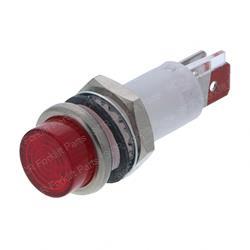
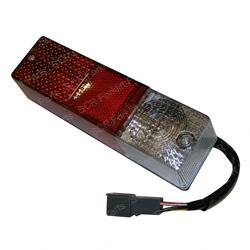
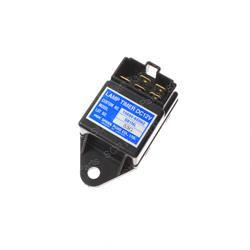
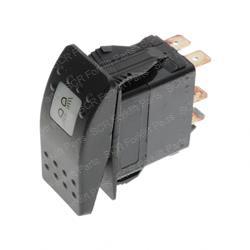
Browse our selection of quality forklift lights for your forklift and material handling equipment.
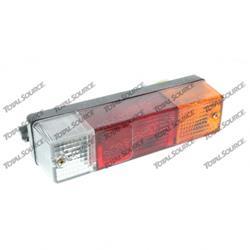
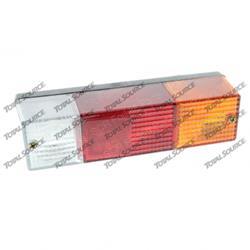
Need a Part You Don't See?
Our specialists have access to over 1 million additional parts. Request a quote today.
Forklift Lights & Warning Beacons
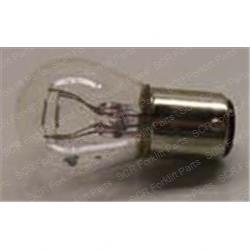
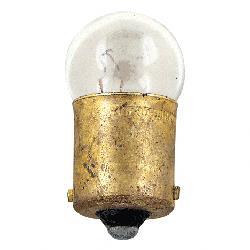
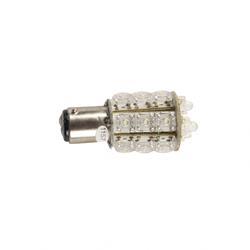
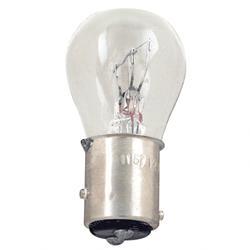
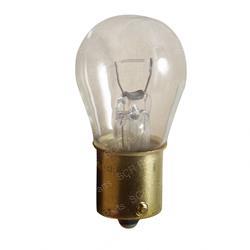
Good lighting prevents accidents in busy warehouses and dim yards. SCR Forklift Parts stocks forklift lights of every type: LED strobe beacons, blue safety spot lights that project a warning ahead of the lift, red zone pedestrian lights, headlights, tail lights, and work lamps. We carry lighting for Toyota, Hyster, CAT, Yale, Crown, and more. Upgrading to LED or replacing a burned-out beacon? Call (562) 693-7748 for the right fit. Ships same-day on in-stock lights from Whittier, CA.
A dark work light, cracked lens, or intermittent warning lamp can reduce visibility and make a wiring fault harder to isolate. For forklift lights, start with the function, connector, mounting pattern, and truck electrical system before choosing a replacement.
Compare forklift lights by truck identity, dimensions, markings, and mating hardware, then request a quote when the match needs review.
Forklift lights may be work lights, headlights, tail lamps, warning lamps, or combination assemblies, and each can use a different housing, lens, voltage, and connector.
When inspecting lights, if the component shows damage, wear, leakage, or inconsistent operation, start with the truck identity and isolate the symptom before removing a component. Inspect the lamp housing, lens, bulb or LED unit, fuse, connector, ground, switch, harness routing, mounting bracket, and impact damage. Compare the fault with the equipment service procedure, because a shared symptom can come from a circuit, mount, adjustment, or adjacent assembly rather than the first part that looks worn.
Use the measurements that distinguish one candidate from another: voltage, connector pin layout, lamp dimensions, mounting hole spacing, wire length, lens orientation, and truck make and model. Photograph markings before cleaning, keep left and right positions separate, and compare the old component with the assembly around it. If the truck has been modified, include the change in the fitment request instead of assuming the original configuration.
Review the collection listing alongside the physical evidence and the repair task. A part can share a name or general shape with another component while using a different connector, seal profile, thread, mount, material, load direction, or service specification. Stop the selection when a required dimension or identification mark is missing, then request a quote with the remaining details.
During the first inspection, note when the symptom appears, whether temperature, load, vibration, steering, lifting, or charging changes it, and whether nearby hardware shows impact, corrosion, contamination, or looseness. That context helps separate a failed component from a cause in the mating assembly and gives a parts specialist a clear question to answer.
Keep the measurements, markings, and test observations together so the next inspection can follow the same fitment logic.
After installation, inspect adjacent hardware that could have caused the failure and follow the equipment procedure for a controlled function check. Watch for the original symptom under the same condition that exposed it, and document what changed. If the fault remains, keep the truck out of the affected task until the next cause is understood rather than repeatedly replacing similar parts.
Browse the collection, compare the evidence, and request a quote when the correct match needs human review.
Buying guide for lights
- Identify the truck, assembly, position, symptom, and repair task before comparing candidates.
- Inspect the lamp housing, lens, bulb or LED unit, fuse, connector, ground, switch, harness routing, mounting bracket, and impact damage and look for a cause outside the visibly failed component.
- Measure and photograph voltage, connector pin layout, lamp dimensions, mounting hole spacing, wire length, lens orientation, and truck make and model using the equipment service procedure.
- Compare the listing, old part, mating hardware, and any previous modification as one fitment question.
- Send the truck details, markings, measurements, photos, and failure condition when requesting a quote.