
Forklift Mast Parts
Mast components, rollers, and assemblies
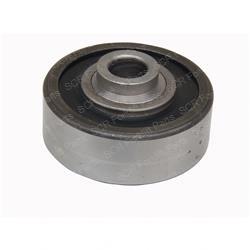
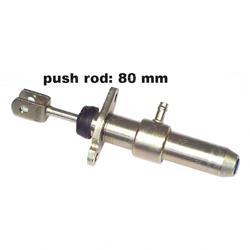
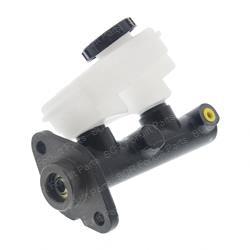
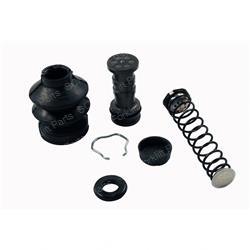
Mast rollers, chains, bearings, cylinders, and related hardware guide and support forklift lifting movement. Inspect these components as part of regular maintenance and match replacements to the mast assembly details.




Need a Part You Don't See?
Our specialists have access to over 1 million additional parts. Request a quote today.
Forklift Mast Parts
A smooth-lifting mast keeps your operation moving. SCR Forklift Parts stocks the components that make it work: mast rollers and bearings, lift chains, carriage bearings, mast cylinders, and channel hardware for all major forklift brands. Worn mast rollers or stretched chains cause jerky lifts and safety hazards, so replace them before they fail. We carry mast parts for Toyota, Hyster, CAT, Yale, Crown, and Clark. Call (562) 693-7748 for help identifying your mast type. Ships same-day on in-stock items from Whittier, CA.
Uneven lift travel, roller noise, or chain wear deserves attention before a mast problem becomes a larger repair. Forklift mast parts work together through rails, rollers, carriage components, chains, and guides, so the correct replacement starts with the mast arrangement and the symptom. Capture the truck make, model, serial information, mast stage or configuration, and the position where the problem appears. Similar rollers and guides can have different working dimensions.
Browse over 82,000 mast parts across Toyota, Mitsubishi, CAT, Raymond, Hyster and more, with options starting under $5.
Inspect rails, rollers, bushings, guides, carriage contact surfaces, chain anchors, sheaves, pins, and fasteners. Look for scoring, flat spots, side play, uneven clearance, bent hardware, corrosion, and debris in the travel path. A noisy roller may point to its bearing, rail condition, alignment, or load pattern. A chain issue may be secondary to a damaged sheave or anchor. Use the equipment service procedure for clearances and safe support.
Measure the component that controls fitment: roller diameter and width, axle or pin dimensions, guide profile, carriage interface, chain connection, or mount spacing. Note whether the symptom affects free lift, staged lift, tilt, or carriage movement. Photograph the mast from the side and close up the worn area, marking, and hardware. Do not place any part of your body in a raised mast area without the required isolation and mechanical support.
For a noisy or uneven mast, compare the affected side with the opposite side and inspect the carriage or attachment that loads the rail. Note the location of binding and the lift position where it appears before selecting a component.
Compare the candidate with the mast stage, position, measurements, and surrounding hardware. A replacement roller or guide should address the actual contact surface, not only the noise. If the truck has altered attachments or an unclear marking, explain that in the fitment request. Browse the collection, use the evidence to narrow the match, and request a quote when a specialist should confirm the selection.
After the component is installed, inspect mast travel at the affected position and compare the movement side to side. Listen for renewed contact, watch for binding, and check that fasteners and retainers remain seated. A new roller cannot correct a bent rail or misaligned carriage, so keep the surrounding inspection in the repair note and escalate any unsafe movement before lifting.
Browse the collection, compare the evidence, and request a quote when the correct match needs human review.
Buying guide for mast parts
- Identify mast stage, lift function, truck identity, and the position of the symptom.
- Inspect rails, rollers, guides, carriage, pins, sheaves, anchors, chains, and fasteners together.
- Measure roller, axle, guide, mount, carriage, or chain connection dimensions as applicable.
- Check alignment, clearance, side play, scoring, flat spots, debris, and related wear.
- Work only with the mast safely isolated and send photos and measurements for fitment review.