
Forklift Attachments
Browse our selection of quality forklift attachments for your forklift and material handling equipment.
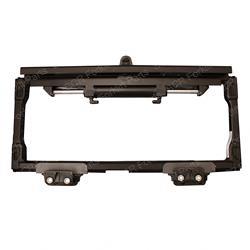
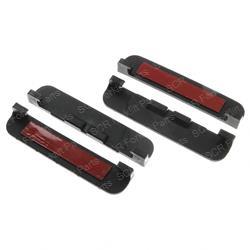
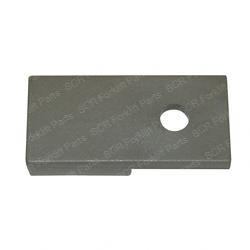

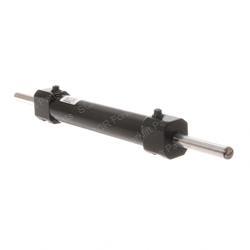
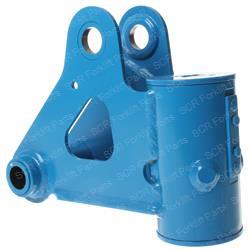
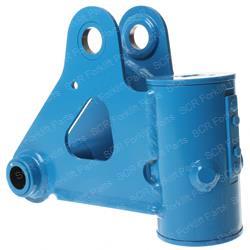
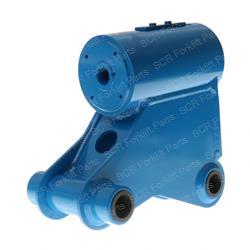
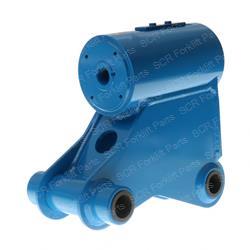
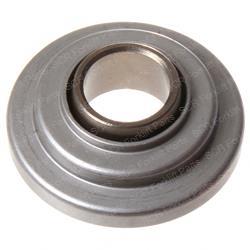
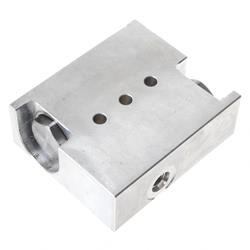
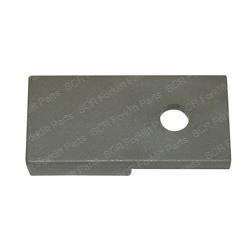
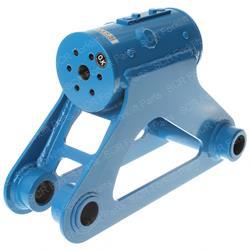
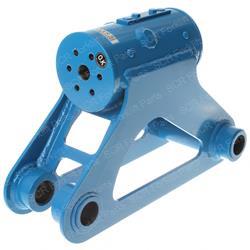
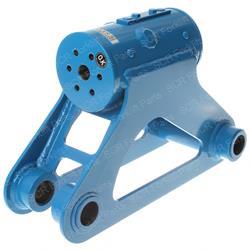
Need a Part You Don't See?
Our specialists have access to over 1 million additional parts. Request a quote today.
Forklift Attachments
The right attachment turns a standard forklift into a purpose-built tool. SCR Forklift Parts supplies forklift attachments including fork positioners, side shifters, clamps, rotators, booms, and carriage-mounted accessories. Whether you are handling paper rolls, drums, or oversized loads, the correct attachment improves safety and throughput. We help match attachments to your carriage class and capacity across Toyota, Hyster, CAT, and other brands. Call (562) 693-7748 for fitment and capacity guidance. Ships from Whittier, CA.
A clamp, side shifter, rotator, or fork positioner must match the truck and the work before it is put back into service. Forklift attachments cover the working interface between the truck and a load, so the search should begin with the attachment function and the truck connection. Note the make, model, serial information, carriage interface, capacity information shown on the equipment, and whether the attachment uses hydraulic, electrical, or manual movement.
Browse over 5,000 attachment parts across CAT, Yale, Hyster, Mitsubishi, Toyota and more, with options starting under $5.
Start by naming the task, not just the hardware. A clamp may handle a different load shape than a fork positioner, and a rotator changes the movement that the operator controls. Inspect the frame, hooks, rollers, pivot points, cylinder mounts, hoses, fittings, wiring, and controls. A leak or slow movement can come from the attachment or the truck circuit, so isolate the fault before choosing a replacement assembly or small component.
Measure the carriage contact points, hook spacing, frame width, cylinder or hose connections, and any mounting hardware that will transfer force. Compare the truck connection with the attachment interface and check for modifications from earlier repairs. For powered movement, document hose routing, connector style, and control behavior. For manual attachments, focus on locking pins, pivots, guides, and areas that can bind under load. Use the equipment documentation for capacity and operating limits.
Review candidates against the task, truck, and physical evidence together. The product grid can narrow the search, but the full listing details and a clear set of photos are more useful when an attachment has been altered or its marking is difficult to read. If several configurations look possible, provide measurements and connection details to a parts specialist and request a quote after the fitment questions are answered.
Before using an attachment after repair, check that its hooks, locks, pivots, hoses, and controls move or seat as intended without forcing them. Inspect the truck interface for contact and alignment, then follow the equipment procedure for a no-load function check. Keep the load application in view because an attachment that fits the carriage may still be wrong for the task or control arrangement.
Before using an attachment after repair, check that its hooks, locks, pivots, hoses, and controls move or seat as intended without forcing them. Inspect the truck interface for contact and alignment, then follow the equipment procedure for a no-load function check. Keep the load application in view because an attachment that fits the carriage may still be wrong for the task or control arrangement.
Browse the collection, compare the evidence, and request a quote when the correct match needs human review.
Buying guide for forklift attachments
- Name the load-handling task and attachment function before searching the collection.
- Confirm truck identity, carriage interface, capacity information, and hydraulic or electrical connection.
- Inspect hooks, rollers, pivots, cylinders, hoses, fittings, wiring, pins, and controls.
- Measure frame and mounting points, then compare them with the truck and attachment evidence.
- Include photos, markings, measurements, and modification details in a fitment request.