
Battery Connectors
Browse our selection of quality battery connectors for your forklift and material handling equipment.
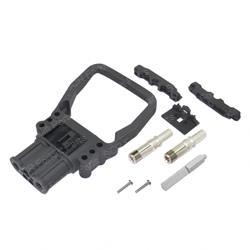
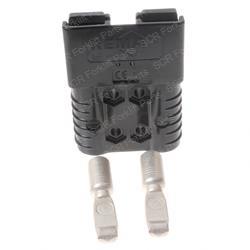
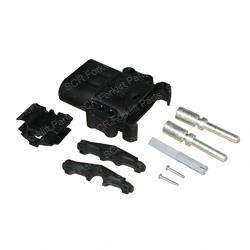
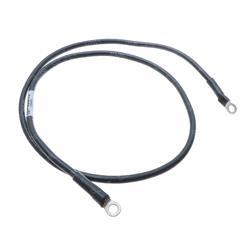
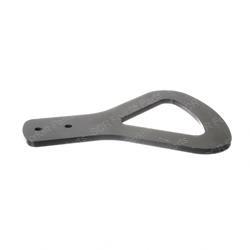
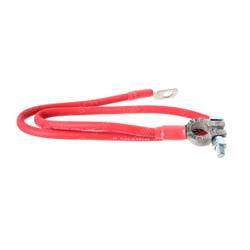
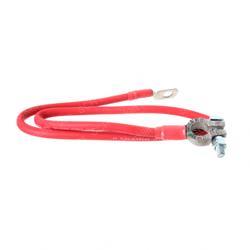
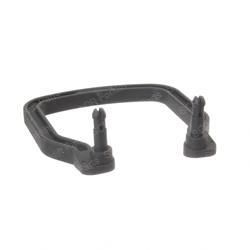
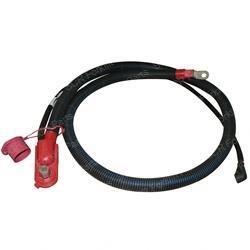
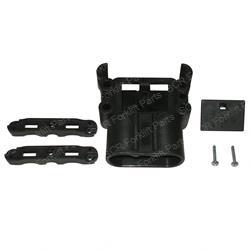
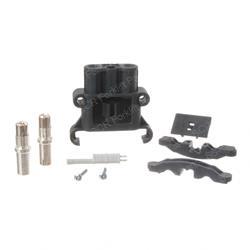
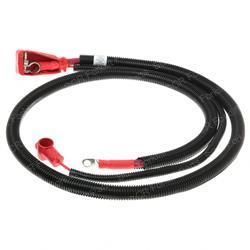
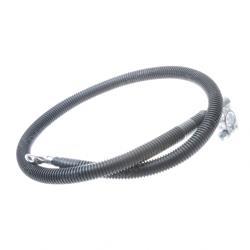
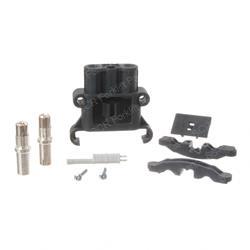
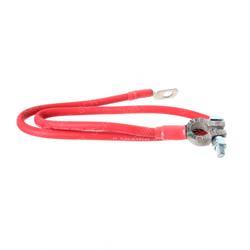
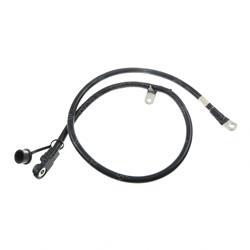
Need a Part You Don't See?
Our specialists have access to over 1 million additional parts. Request a quote today.
Forklift Battery Connectors
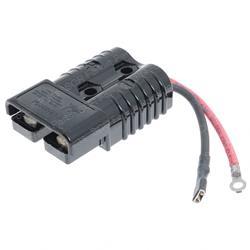
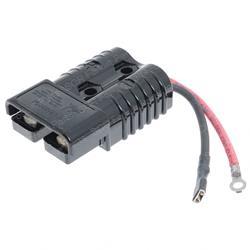
A worn or wrong-sized battery connector risks poor connections, overheating, and downtime on electric forklifts. SCR Forklift Parts stocks forklift battery connectors and contacts in common colors and amp ratings, plus cables and hardware, compatible with Crown, Raymond, Toyota, Yale, and Hyster electric lifts. Match your connector by amp rating and color for a safe, reliable fit. Call (562) 693-7748 with your battery and charger specs. Ships from Whittier, CA.
A hot connector, intermittent power loss, or damaged plug can stop an electric truck even when the battery itself tests normally. For forklift battery connectors, identify the connector family, polarity, cable size, and truck voltage before comparing replacement parts.
Compare forklift battery connectors by truck identity, dimensions, markings, and mating hardware, then request a quote when the match needs review.
Battery connectors carry high current and depend on clean contacts, correct polarity, secure cable terminations, and a housing that matches the truck receptacle.
When inspecting battery connectors, if the component shows damage, wear, leakage, or inconsistent operation, start with the truck identity and isolate the symptom before removing a component. Inspect connector housing, contacts, cable lugs, crimp areas, strain relief, receptacle, battery terminals, fuse, and polarity markings. Compare the fault with the equipment service procedure, because a shared symptom can come from a circuit, mount, adjustment, or adjacent assembly rather than the first part that looks worn.
Use the measurements that distinguish one candidate from another: connector series, voltage and current rating, cable gauge, contact count, keying, housing color, cable length, and terminal orientation. Photograph markings before cleaning, keep left and right positions separate, and compare the old component with the assembly around it. If the truck has been modified, include the change in the fitment request instead of assuming the original configuration.
Review the collection listing alongside the physical evidence and the repair task. A part can share a name or general shape with another component while using a different connector, seal profile, thread, mount, material, load direction, or service specification. Stop the selection when a required dimension or identification mark is missing, then request a quote with the remaining details.
During the first inspection, note when the symptom appears, whether temperature, load, vibration, steering, lifting, or charging changes it, and whether nearby hardware shows impact, corrosion, contamination, or looseness. That context helps separate a failed component from a cause in the mating assembly and gives a parts specialist a clear question to answer.
Keep the measurements, markings, and test observations together so the next inspection can follow the same fitment logic.
After installation, inspect adjacent hardware that could have caused the failure and follow the equipment procedure for a controlled function check. Watch for the original symptom under the same condition that exposed it, and document what changed. If the fault remains, keep the truck out of the affected task until the next cause is understood rather than repeatedly replacing similar parts.
Browse the collection, compare the evidence, and request a quote when the correct match needs human review.
Buying guide for battery connectors
- Identify the truck, assembly, position, symptom, and repair task before comparing candidates.
- Inspect connector housing, contacts, cable lugs, crimp areas, strain relief, receptacle, battery terminals, fuse, and polarity markings and look for a cause outside the visibly failed component.
- Measure and photograph connector series, voltage and current rating, cable gauge, contact count, keying, housing color, cable length, and terminal orientation using the equipment service procedure.
- Compare the listing, old part, mating hardware, and any previous modification as one fitment question.
- Send the truck details, markings, measurements, photos, and failure condition when requesting a quote.