
Hydraulic Parts
Hydraulic components including pumps, cylinders, valves, and seals.
Forklift hydraulic systems use matched pumps, cylinders, valves, hoses, seals, and fittings to control lifting, tilting, and steering functions. Confirm component specifications and connection details before replacing a hydraulic part.
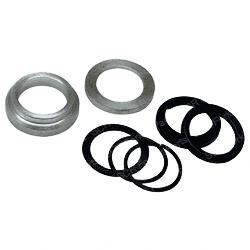
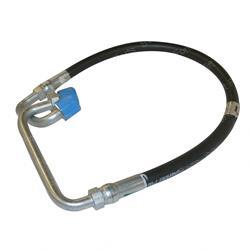
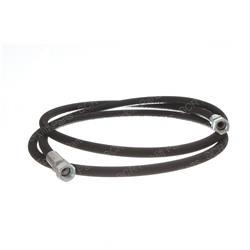
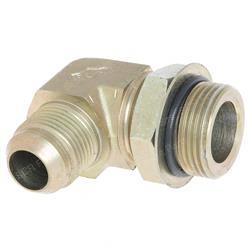
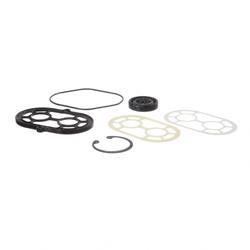
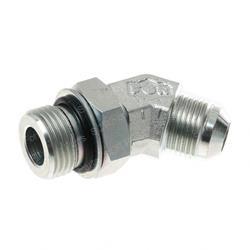
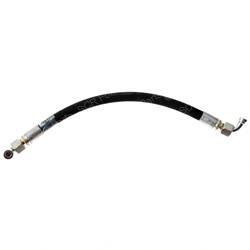
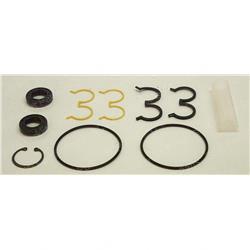
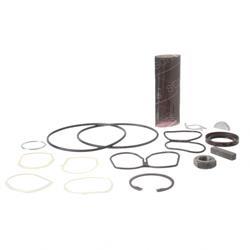
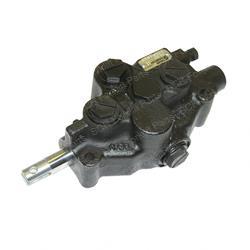
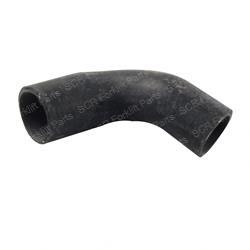
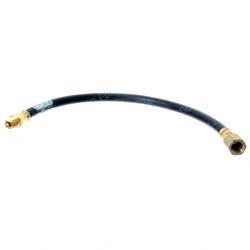
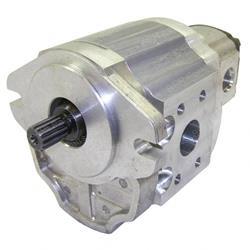
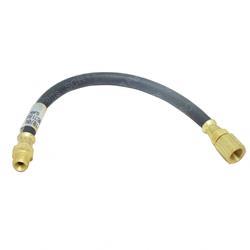
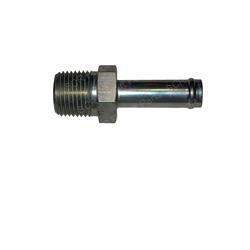
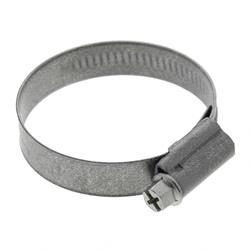
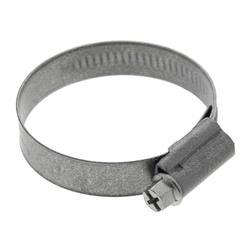
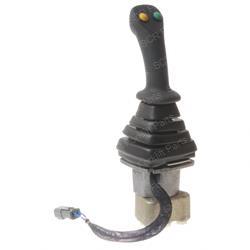
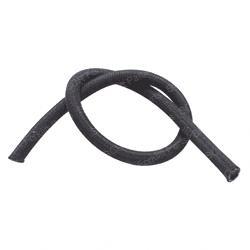
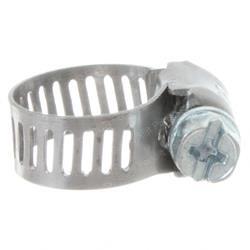
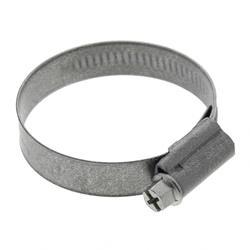
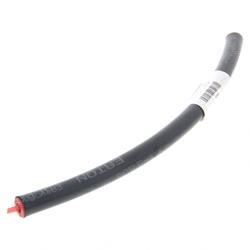
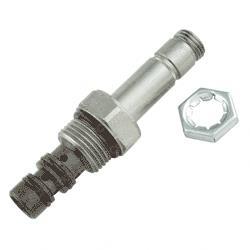
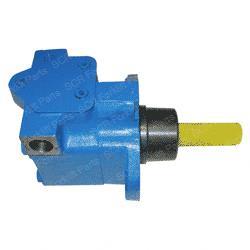
Need a Part You Don't See?
Our specialists have access to over 1 million additional parts. Request a quote today.
Forklift Hydraulic Parts
Shop hydraulic pumps, cylinders, valves, hoses, and fittings for forklifts. Hydraulic systems power the lift, tilt, and steering functions of your forklift. We carry OEM and aftermarket hydraulic components to get your equipment back in operation. Same-day shipping on common parts.
A slow lift, visible leak, or noisy hydraulic function points to a system that needs diagnosis before a replacement is chosen. Forklift hydraulic parts include components that control pressure, flow, and movement, so the truck identity and the exact function are central to fitment. Start with make, model, serial information, the affected circuit, and the symptom under a known operating condition. A hose, valve, cylinder, pump, or fitting may produce similar symptoms.
Browse over 283,000 hydraulic parts across Toyota, Hyster, CAT, Mitsubishi, Yale and more, with options starting under $5.
Inspect the complete fluid path from reservoir and pump through valves, hoses, fittings, cylinders, and return lines. Note where fluid appears, whether movement is slow in one direction or both, and whether the symptom changes with temperature or load. Look for damaged hose covers, loose fittings, contaminated fluid, bent rods, scoring, and seal leakage. Use the equipment service procedure for pressure checks and safe isolation before opening a hydraulic circuit.
Fitment depends on more than thread appearance. Compare hose length and routing, port arrangement, fitting type, cylinder mounting, rod and barrel dimensions, valve body layout, and pump drive or mounting details with the original assembly. Use truck documentation for fluid and pressure requirements rather than assuming a universal value. Photograph labels, ports, connections, and the mounting area, especially when a prior repair changed the routing.
The product grid helps separate pumps, valves, cylinders, hoses, seals, and fittings, but the repair symptom should guide the next check. Replace only the component supported by the inspection, and correct contamination, misalignment, or a damaged connection that could cause repeat failure. If the original marking is unclear, provide the measured dimensions and circuit details to a parts specialist, then request a quote.
For hoses and fittings, compare routing, bend allowance, sealing surfaces, and connection orientation. For cylinders and pumps, inspect mounts and drive details as well as the fluid path. Keep the symptom and the measured component details together so the repair choice follows the actual circuit.
After a hydraulic repair, inspect the connection points and surrounding components during the prescribed function check. Look for new seepage, hose movement, unusual noise, slow response, or a change in the original symptom. Keep the circuit clean and use only the procedure and equipment information that applies to the truck. If the diagnosis remains open, send the test observations with the fitment request.
Browse the collection, compare the evidence, and request a quote when the correct match needs human review.
Buying guide for hydraulic parts
- Name the affected hydraulic function and identify the truck before choosing a component.
- Trace the fluid path through pump, valve, hose, fitting, cylinder, and return circuit.
- Document leak location, movement direction, temperature or load effect, contamination, and damage.
- Compare ports, routing, mounts, dimensions, and drive details with the original component.
- Use service documentation for system requirements and request fitment help with clear evidence.