
Forklift Tires
Browse our selection of quality forklift tires for your forklift and material handling equipment.
Choose forklift tires by operating surface, load, and wheel or rim dimensions. Cushion, pneumatic, and press-on tire designs each suit different applications, so confirm the marked tire size and mounting details before ordering.
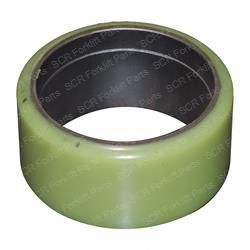
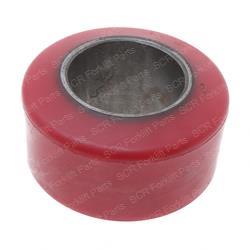
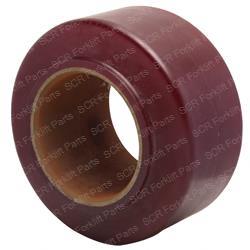
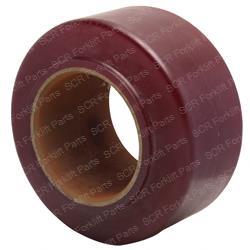
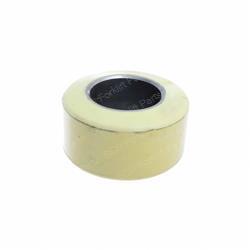
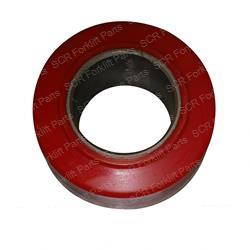
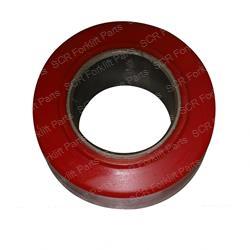
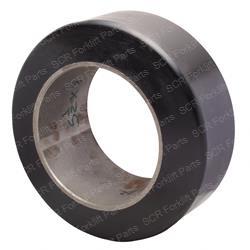
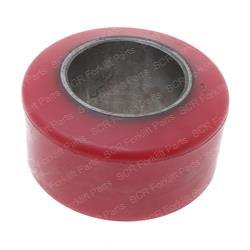
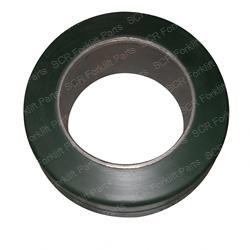
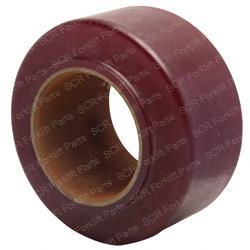
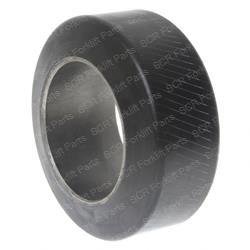
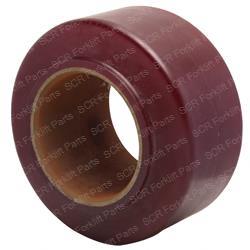
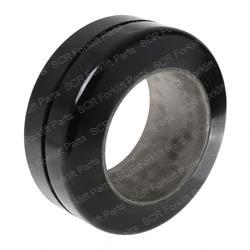
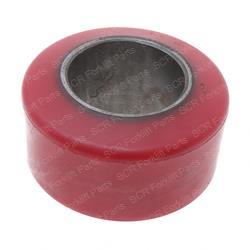
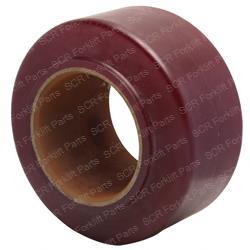
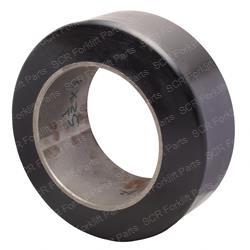
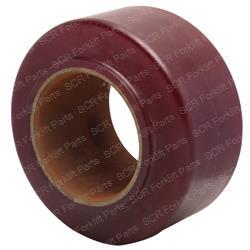
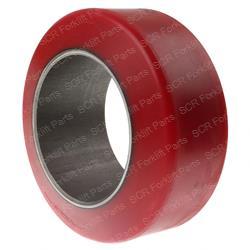
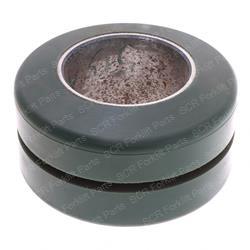
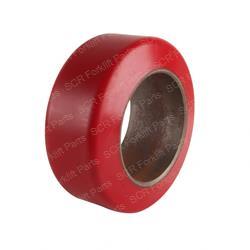
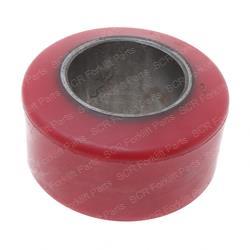
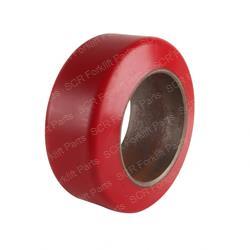
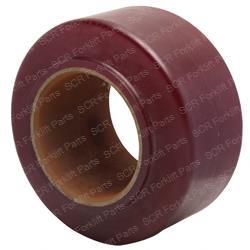
Need a Part You Don't See?
Our specialists have access to over 1 million additional parts. Request a quote today.
Forklift Tires: Cushion, Pneumatic & Press-On
The right forklift tire depends on where you run: cushion tires for smooth indoor floors, pneumatic tires for outdoor and rough terrain, and press-on solid tires for heavy-duty indoor use. SCR Forklift Parts stocks over 19,000 tire sizes and types, including solid press-on, polyurethane load wheels, and rubber pneumatics for Toyota, Hyster, CAT, Yale, and more. Not sure which size or compound fits your lift? Call (562) 693-7748 with your tire dimensions or forklift model. Ships nationwide from Whittier, CA.
Uneven wear, a damaged sidewall, or a hard-riding truck is a signal to check tire type and fitment before the next shift. Forklift tires are chosen around the truck, the operating surface, and the way the load moves through the facility. Start with the make, model, serial information, tire position, and the markings on the current tire or wheel. The right category and dimensions matter more than a quick visual resemblance.
Browse over 88,000 tire parts across Crown, Anderson, Yale, Mitsubishi, CAT and more, with options starting under $5.
First separate cushion tires from pneumatic tires. Cushion tires are pressed onto a wheel and need the correct press-on dimensions, while pneumatic setups use a tire, rim, and related hardware that must agree as an assembly. Note tire position, overall size markings, wheel or rim details, hub or axle interface, and whether the truck uses a solid or air-filled configuration. Do not infer fitment from tread appearance alone.
The floor and duty cycle influence the inspection. Smooth indoor floors, rough yards, debris, turning frequency, and repeated heavy starts can produce different wear patterns. Look for chunking, flat spots, sidewall damage, exposed material, cracking, and uneven wear between tires on the same axle. Check the wheel, bearings, fasteners, and nearby steering or suspension parts when the wear is abnormal. Follow the equipment procedure for removal and installation.
For press-on work, inspect the wheel seat and nearby steering hardware after installation. For pneumatic work, compare the complete rim and tire arrangement and follow the equipment procedure for inflation and removal. Uneven wear is a reason to inspect the truck, not just to choose a different tread.
Compare the candidate with the current markings and measured dimensions, including press-on sizing where applicable. If the marking is worn away, photograph the wheel and tire from several angles and include the truck identity and tire position in a fitment question. A parts specialist can work from that evidence. Browse the collection, confirm the physical match, and request a quote when the selection needs review.
Replace or inspect tires as an axle and wheel system, not as an isolated round object. Check the wheel seat, bearings, fasteners, steering response, and neighboring tire wear after the change. A change in ride, tracking, or vibration is useful diagnostic information. Note the surface where the truck works and the tire position so future maintenance decisions use the same context.
Browse the collection, compare the evidence, and request a quote when the correct match needs human review.
Buying guide for forklift tires
- Identify cushion or pneumatic construction and the tire position on the truck.
- Capture current tire markings, wheel or rim details, hub or axle interface, and measured dimensions.
- For cushion tires, verify press-on sizing and the wheel condition before selection.
- Inspect tread, sidewall, flat spots, chunking, cracking, and wear across the axle.
- Include operating surface, truck identity, photos, and markings when asking for fitment help.