
Electrical Parts
Forklift electrical components including alternators, starters, switches, and wiring.
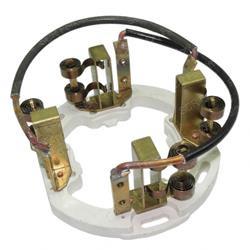
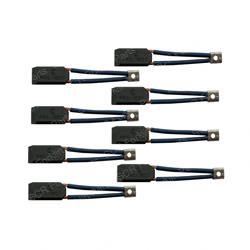
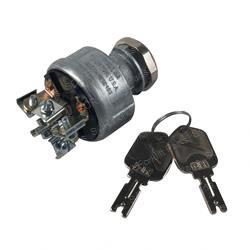
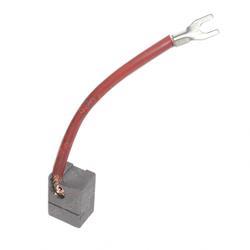
Need a Part You Don't See?
Our specialists have access to over 1 million additional parts. Request a quote today.
Forklift Electrical Parts
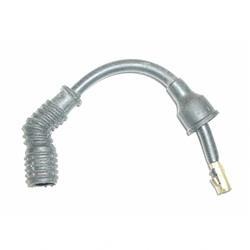
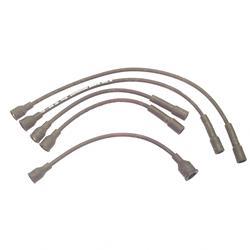
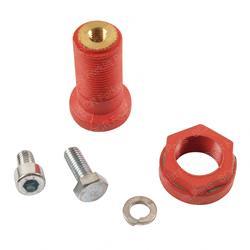
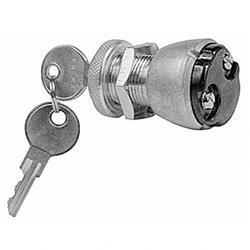
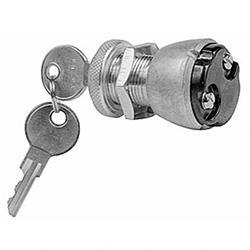
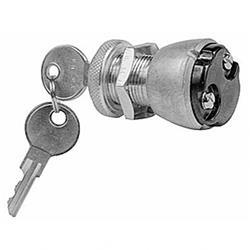
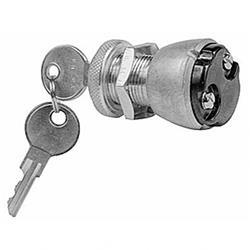
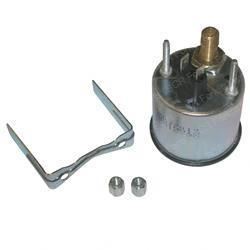
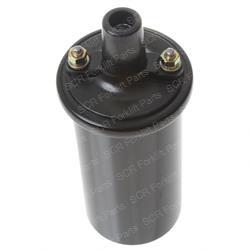
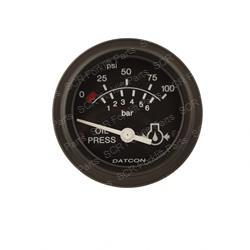
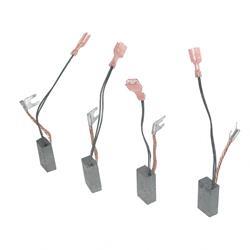
Find starters, alternators, ignition switches, solenoids, sensors, wiring harnesses, and controllers for forklifts. Electrical issues can shut down your operation; we stock the parts to diagnose and fix electrical problems fast. Parts for both IC and electric forklift models.
Intermittent starting, a dead circuit, or a failed warning device calls for disciplined electrical identification before parts are changed. Forklift electrical parts span starting, charging, control, lighting, sensing, and drive functions, and similar housings can serve different circuits. Begin with make, model, serial information, the failed function, and the conditions when the fault appears. Capture labels, connector shape, wire positions, and the component's mounting location before removing it.
Browse over 511,000 electrical parts across Toyota, CAT, Mitsubishi, Hyster, Yale and more, with options starting under $5.
Separate the symptom from the suspected part. A starter problem can involve battery connections, cables, a switch, relay, or solenoid. A warning light or sensor problem can involve power, ground, connector fit, harness damage, or control input. Inspect fuses, terminals, grounds, contactors, switches, connectors, and wiring for heat, corrosion, looseness, chafing, and pin damage. Follow the equipment electrical procedure and isolate power before handling exposed connections.
Fitment depends on connector and circuit details as well as the housing. Compare terminal count and position, plug keying, wire routing, mounting holes, shaft or drive details where applicable, and markings on the original component. Use equipment documentation for voltage and circuit requirements instead of assuming a value from appearance. Photograph both sides of the part and label wires before disconnection so the installation evidence is preserved.
Use the product grid to narrow the component family, then compare the fault, truck identity, markings, and measured details. If a replacement harness or control has been altered, include the change in the fitment question. Do not swap several electrical parts without isolating the circuit because a loose ground or damaged connector can make a good component appear faulty. Request a quote once the evidence supports a specific candidate.
For starting and charging faults, inspect cables, grounds, switches, and connectors before blaming the motor. For sensors and controls, compare terminals, keying, mounting, and circuit behavior. Label every wire and preserve the original installation path so a replacement can be checked against the actual truck.
After installation, inspect terminal seating, connector locks, harness clearance, grounds, and mounting hardware before restoring normal operation. Repeat the function that produced the fault and note whether the symptom changed. A successful replacement should be supported by the circuit test, not only by a matching housing. Include any remaining intermittent behavior in the next fitment request.
Browse the collection, compare the evidence, and request a quote when the correct match needs human review.
Buying guide for electrical parts
- Identify the electrical function, truck identity, circuit symptom, and original component location.
- Inspect power, ground, fuses, terminals, switches, contactors, connectors, and harness routing.
- Compare connector keying, terminal layout, wire positions, mounts, markings, and drive details.
- Use equipment documentation for circuit requirements and isolate power before handling connections.
- Send labeled photos, fault conditions, measurements, and any harness modifications for fitment help.